Kibitsu-jinja Shrine
©AFLO
A shrine with close ties to the Legend of Momotaro, featuring an impressive 360m long corridor.
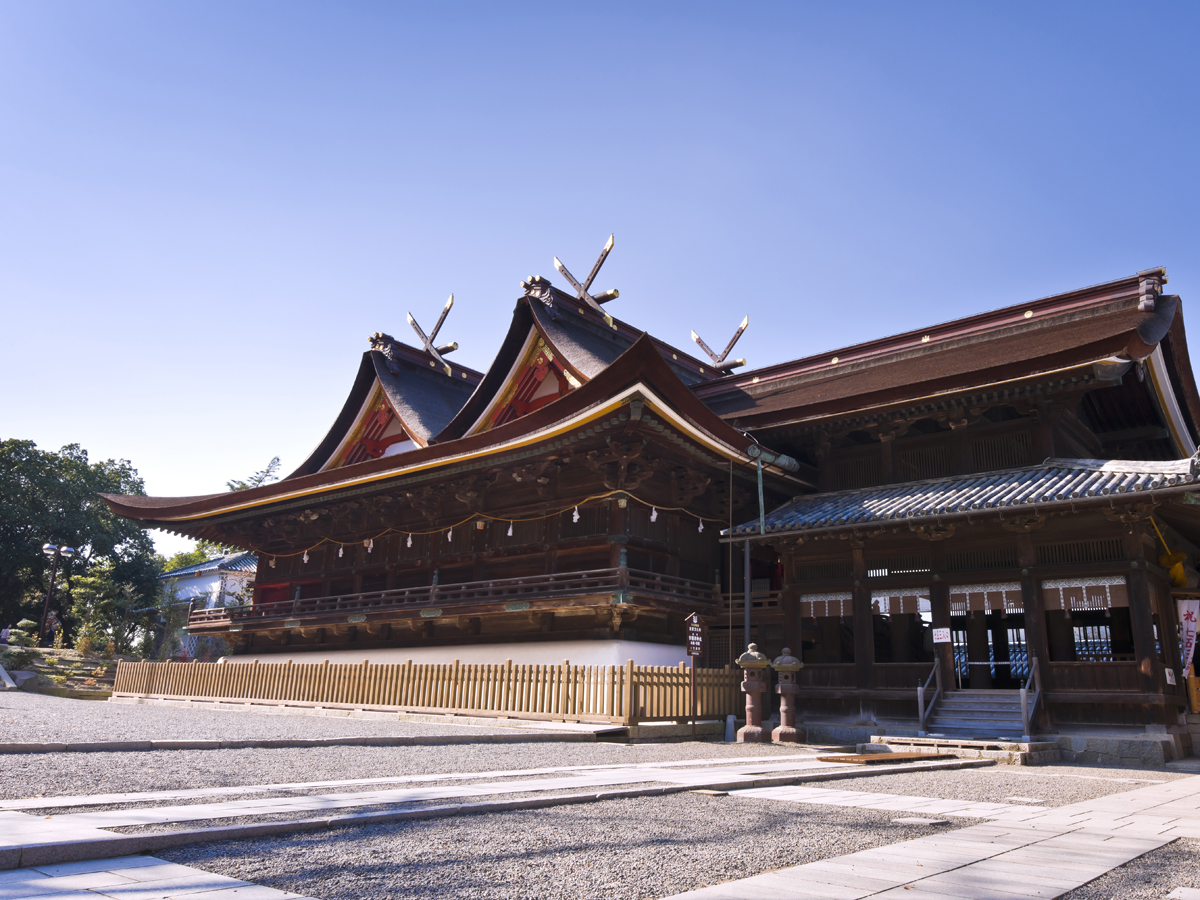
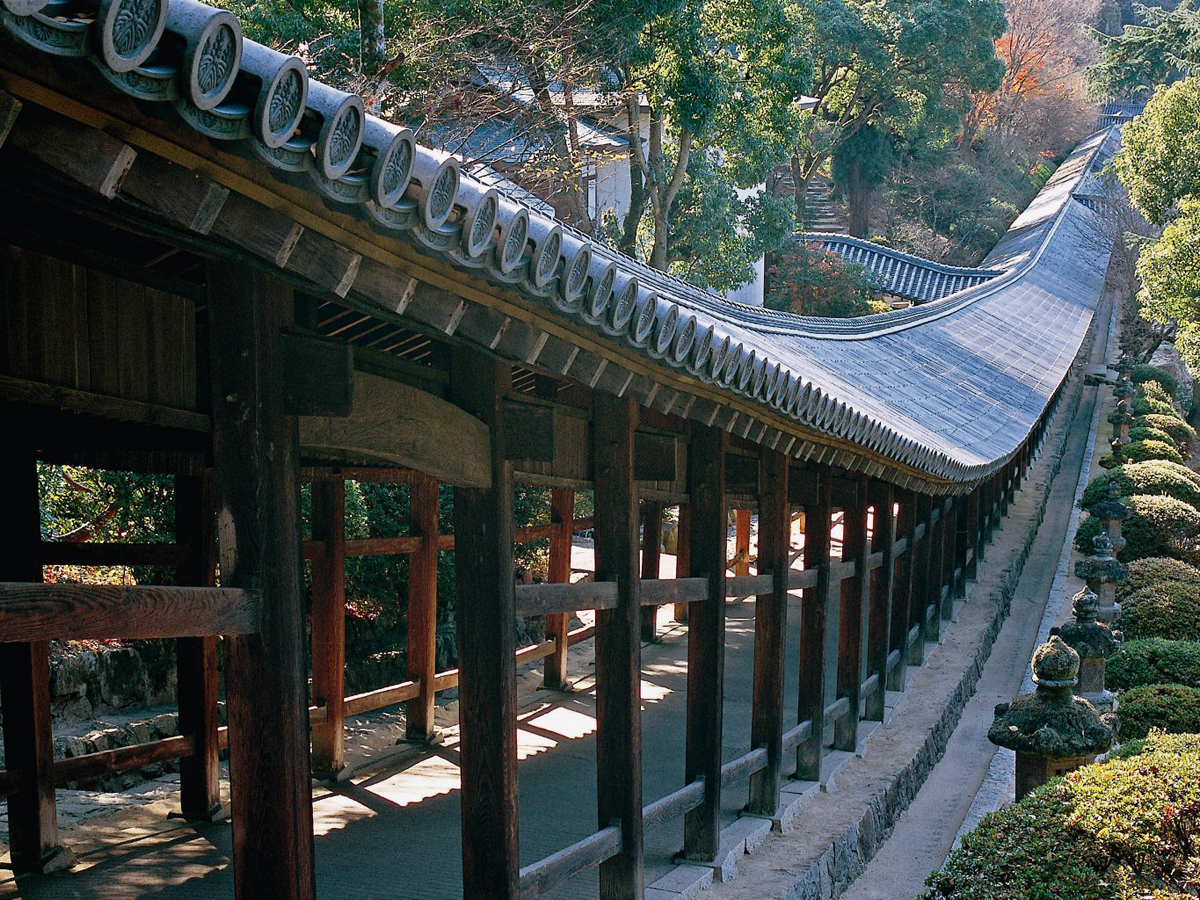
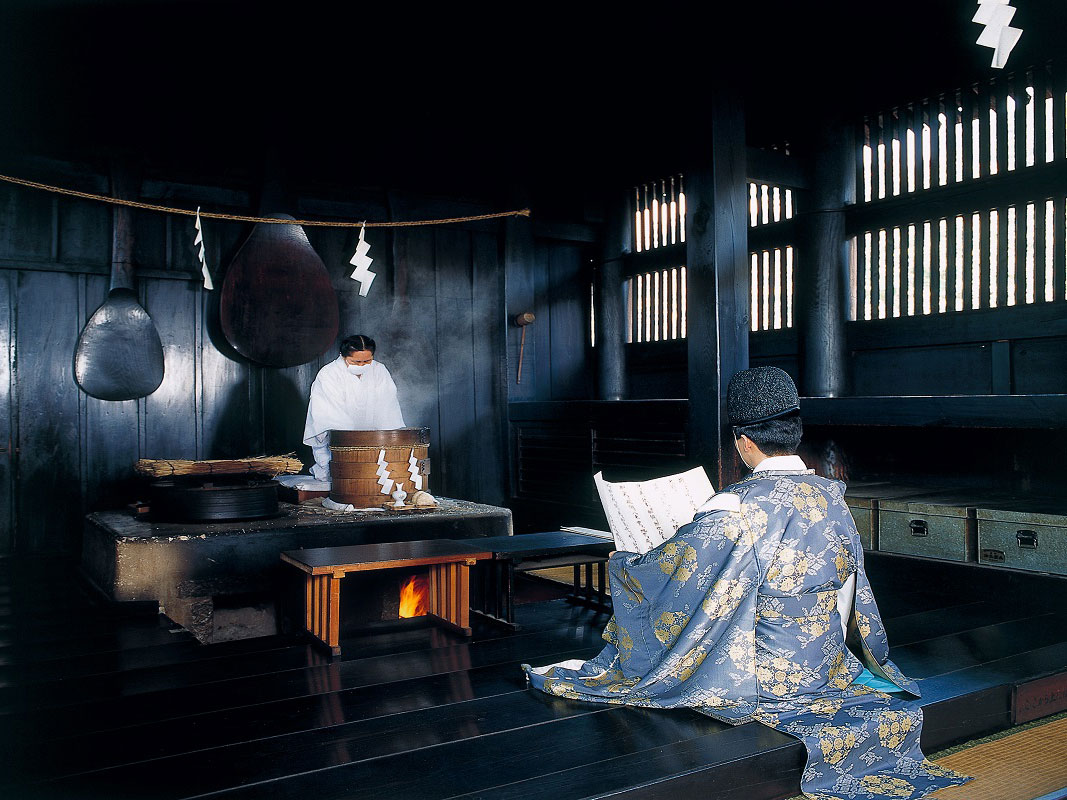
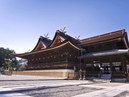
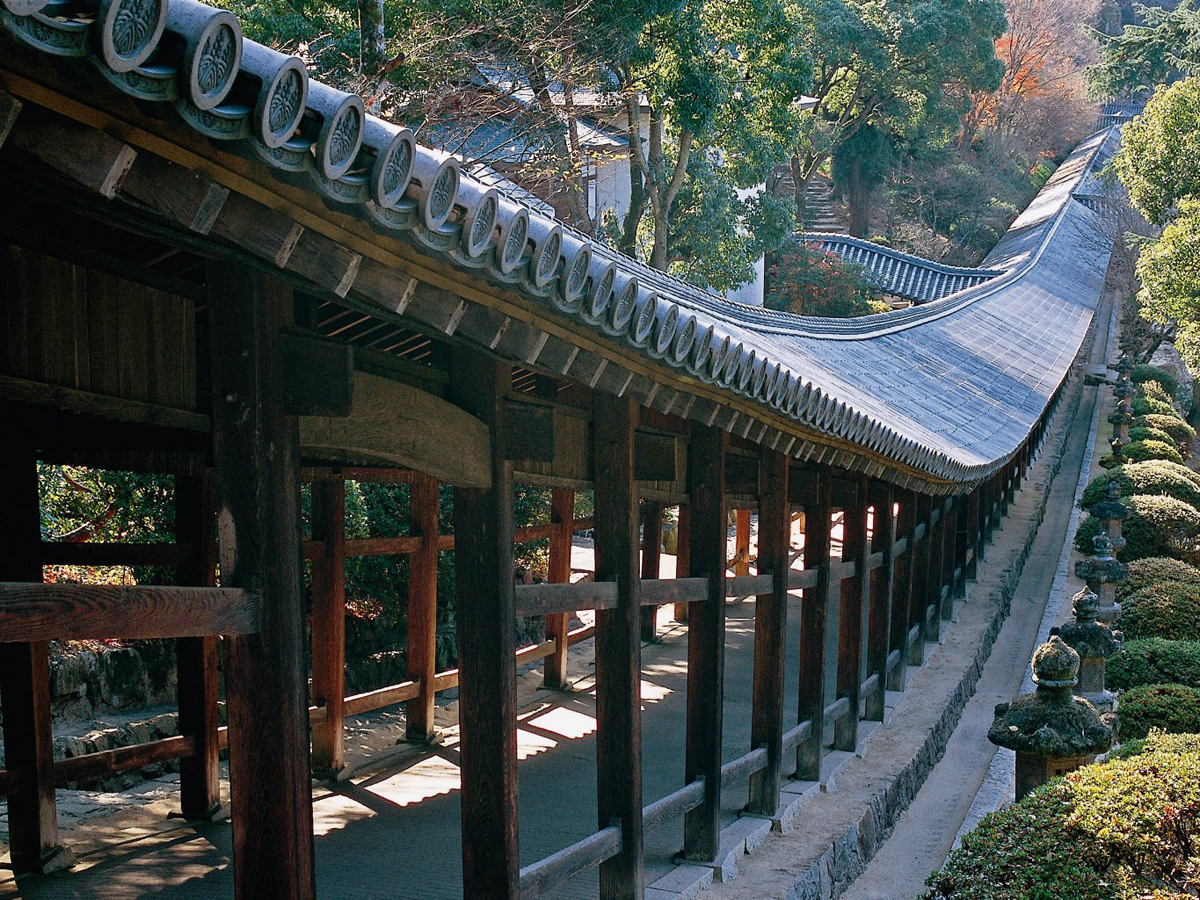
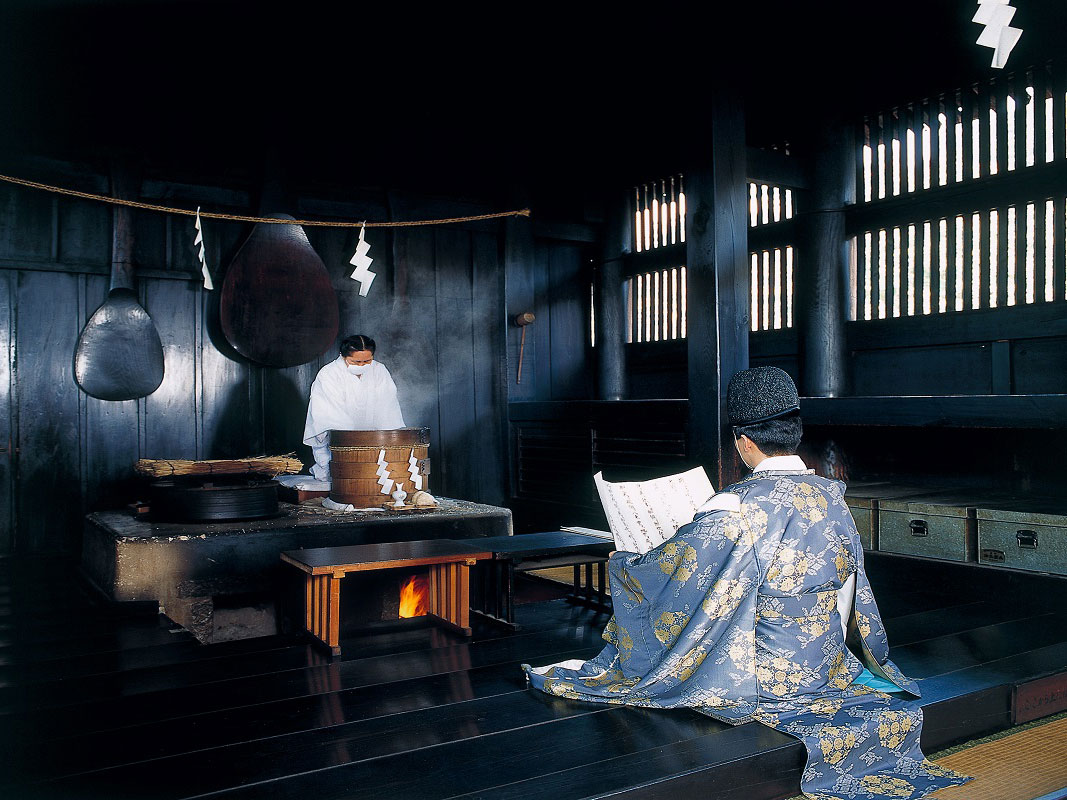
The inner and front shrines were reconstructed in 1425 and are designated National Treasures, as the only building in Japan to be reconstructed using the Kibitsu Zukuri architectural style. Kibitsu-jinja Shrine is home to some artifacts from the Kibitsuhiko-no-mikoto and Ura (ogre) legend, such as the stone where Kibitsuhiko-no-mikoto laid his arrows and the steel pot with the head of Ura sealed inside, so you can experience the setting of the legends. Many people visit to take part in the Narukama Shinji ritual, where the sound of the steaming pot is said to divine your fortune. The beautiful long corridor stretching out from the inner shrine is a highly valued historic building.
The inner and front shrines were reconstructed in 1425 and are designated National Treasures, as the only building in Japan to be reconstructed using the Kibitsu Zukuri architectural style. Kibitsu-jinja Shrine is home to some artifacts from the Kibitsuhiko-no-mikoto and Ura (ogre) legend, such as the stone where Kibitsuhiko-no-mikoto laid his arrows and the steel pot with the head of Ura sealed inside, so you can experience the setting of the legends. Many people visit to take part in the Narukama Shinji ritual, where the sound of the steaming pot is said to divine your fortune. The beautiful long corridor stretching out from the inner shrine is a highly valued historic building.
More Information about Kibitsu-jinja Shrine
Street address
- 931 Kibitsu, Kita-ku, Okayama City, Okayama
 About OKAYAMA
Access
-
-
- About 10 minutes by foot from Kibitsu Station on the JR Kibi Line
-
Opening Hours
-
Shrine grounds: 5:00–18:00 (reception is open from 9:00–15:00
*Applications for Goshuin and Gokito are available until 14:30)
Narukama Shinji ritual: 9:00-14:00 (closed every Friday)
Closed
- Open all year round *the "Narukama Shinji" ritual does not take place on Fridays
Best season
- All year
Point
-
The south and north Zuishin Mon and Okamaden shrine are designated Important Cultural Properties of Japan and the corridor running from the inner shrine to the south main shrine is a designated Important Cultural Property of the prefecture.
Best time to see peonies: late April to early May
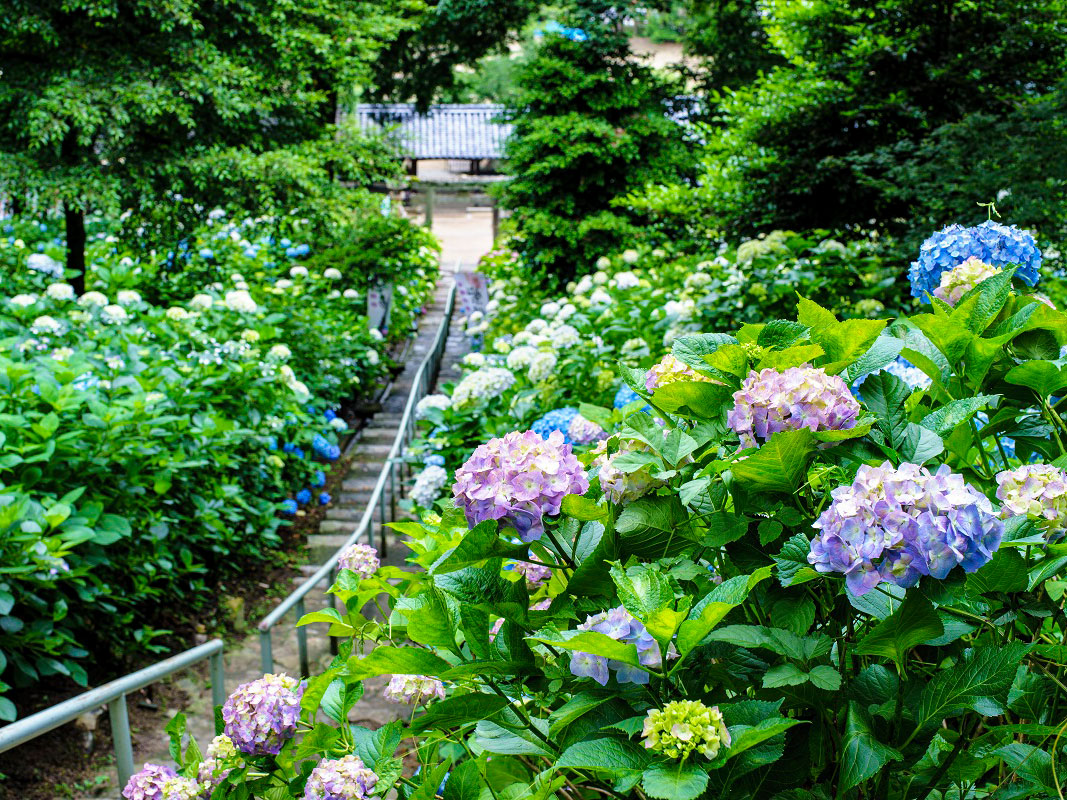
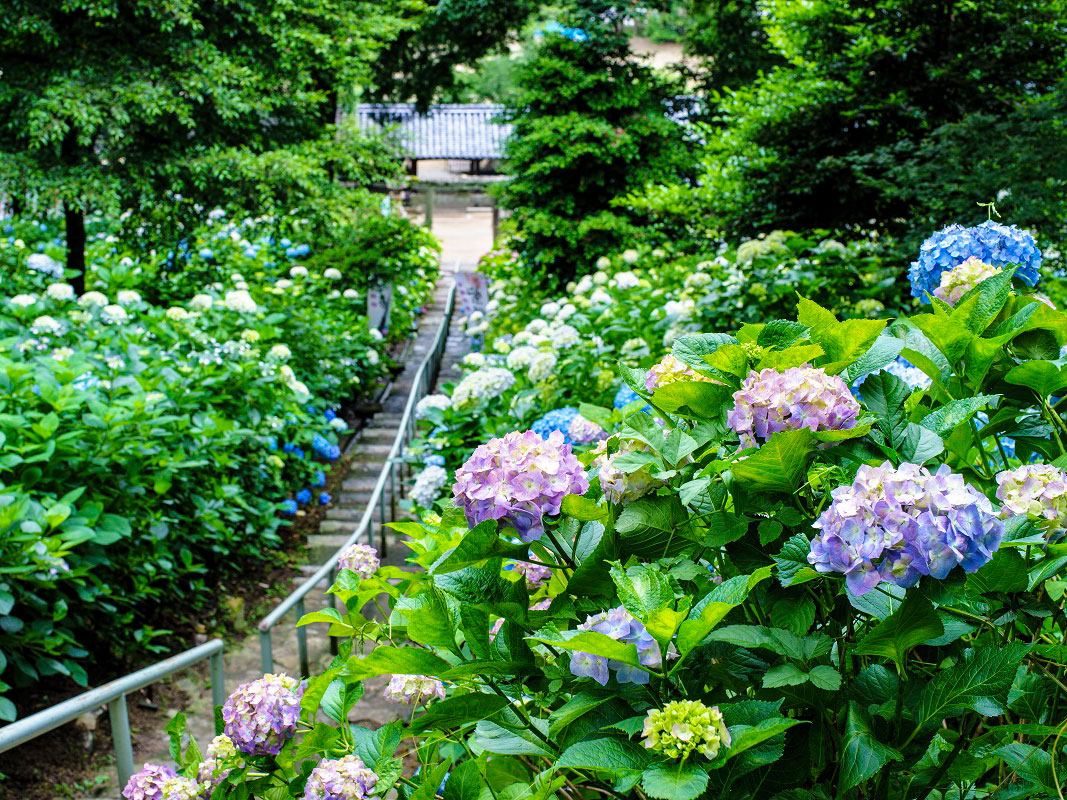
Best time to see Hydrangea in full bloom: mid June to early July
update: Sep.3.2024
Spots around
-
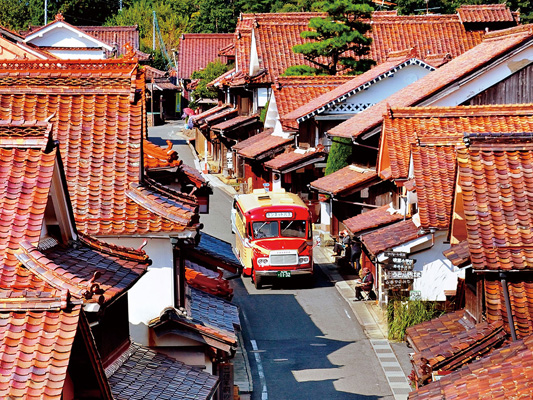
Fukiya Furusato Village
-
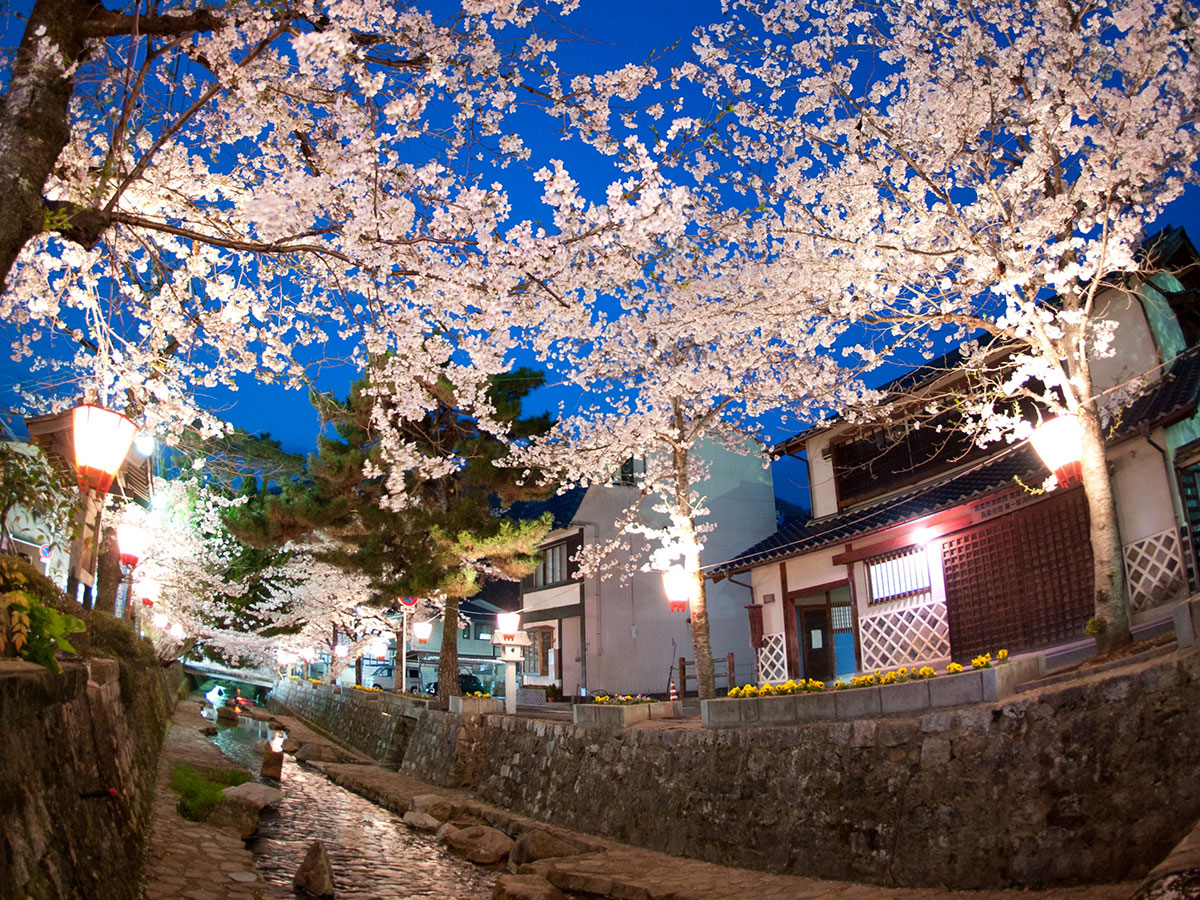
Koyagawa Bikan Historical Quarter
-
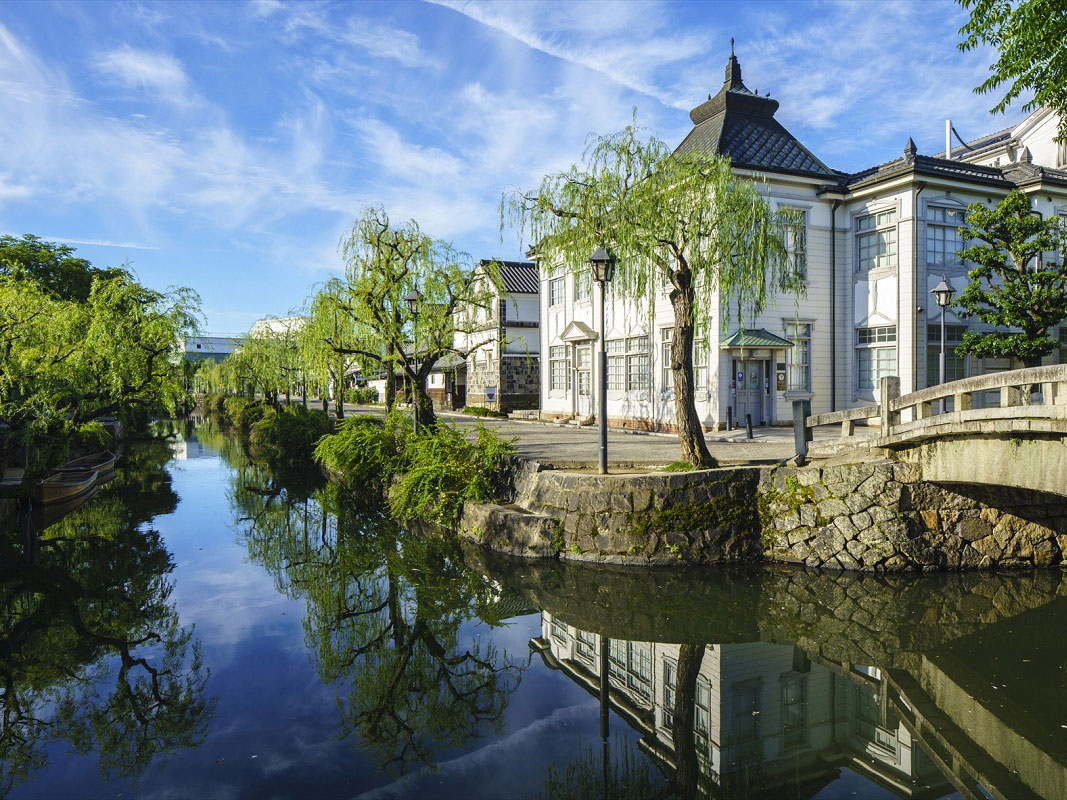
Kurashiki Bikan Historical Quarter
-
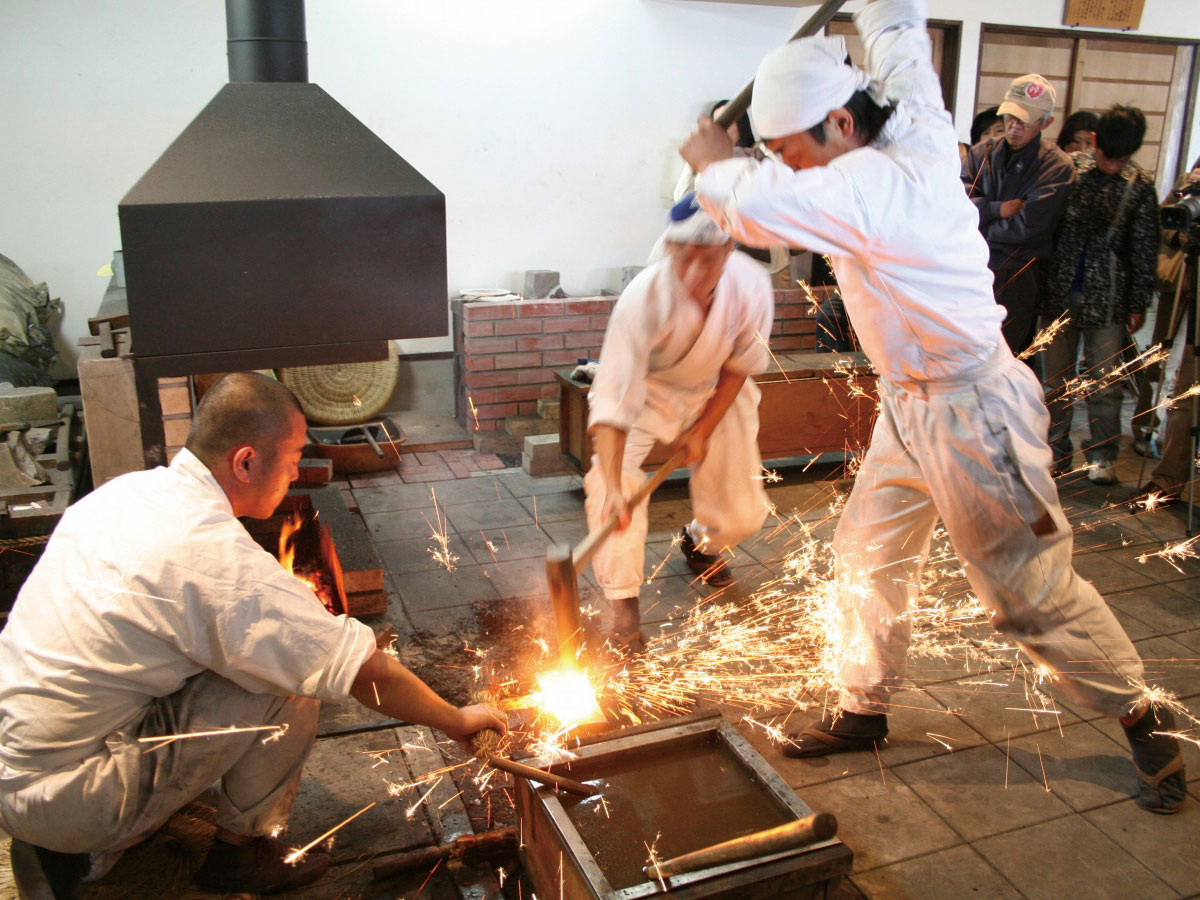
Bizen Osafune Japanese Sword Museum
-
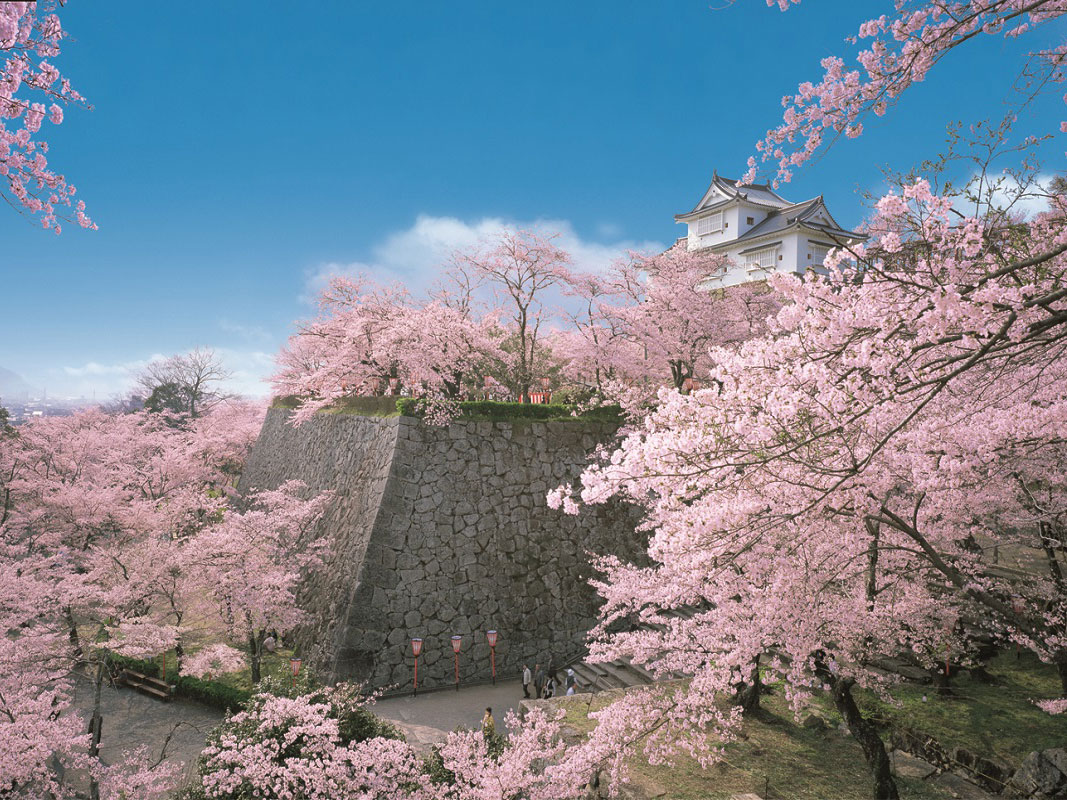
Tsuyama Castle (Kakuzan Park)
-
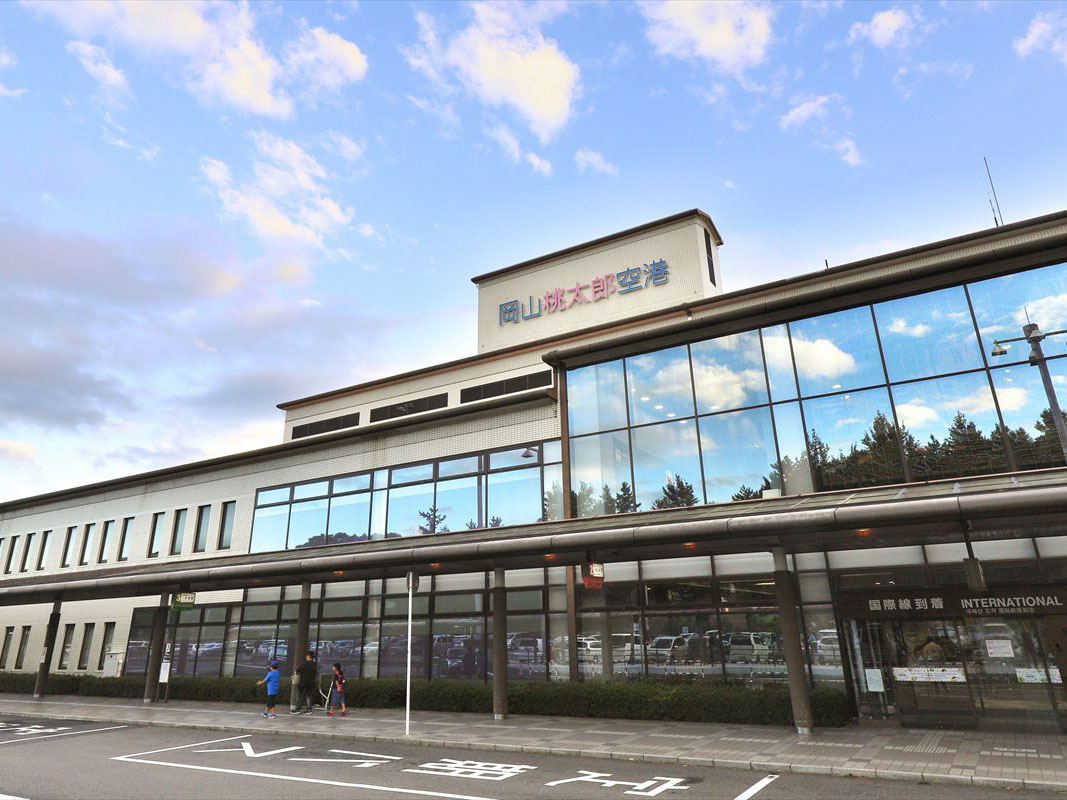
Okayama Momotaro Airport
-
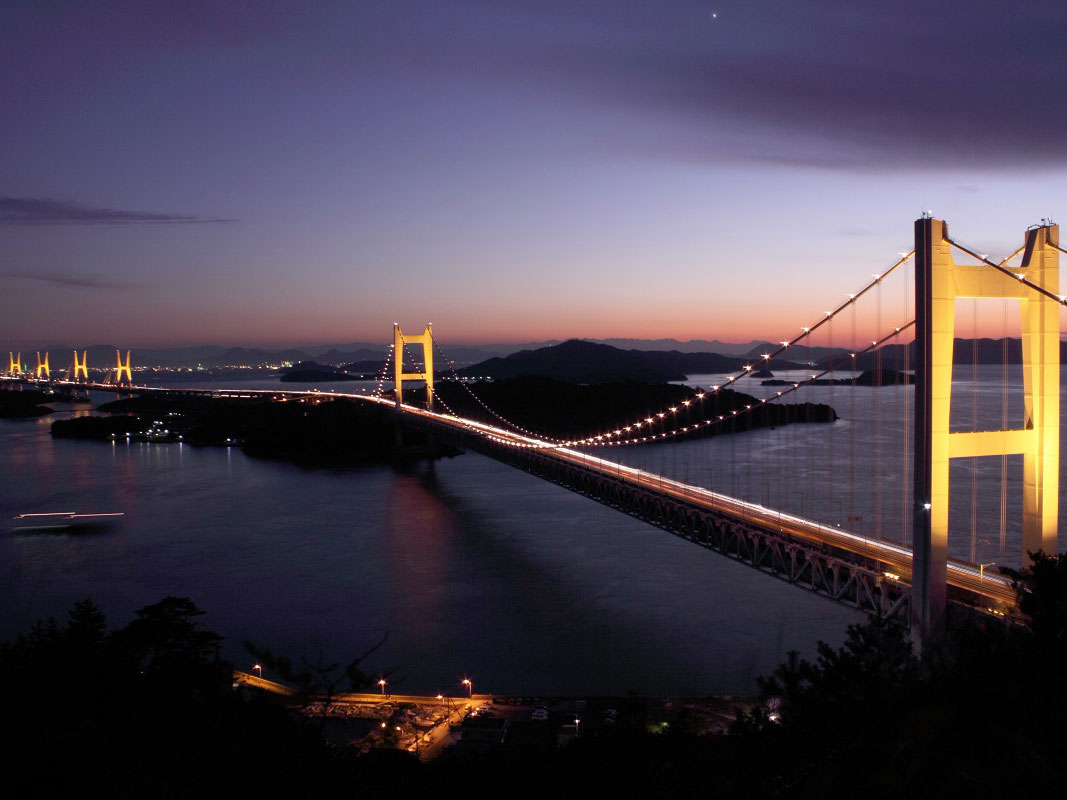
Mt. Washuzan Observatory (Great Seto Bridge)
-
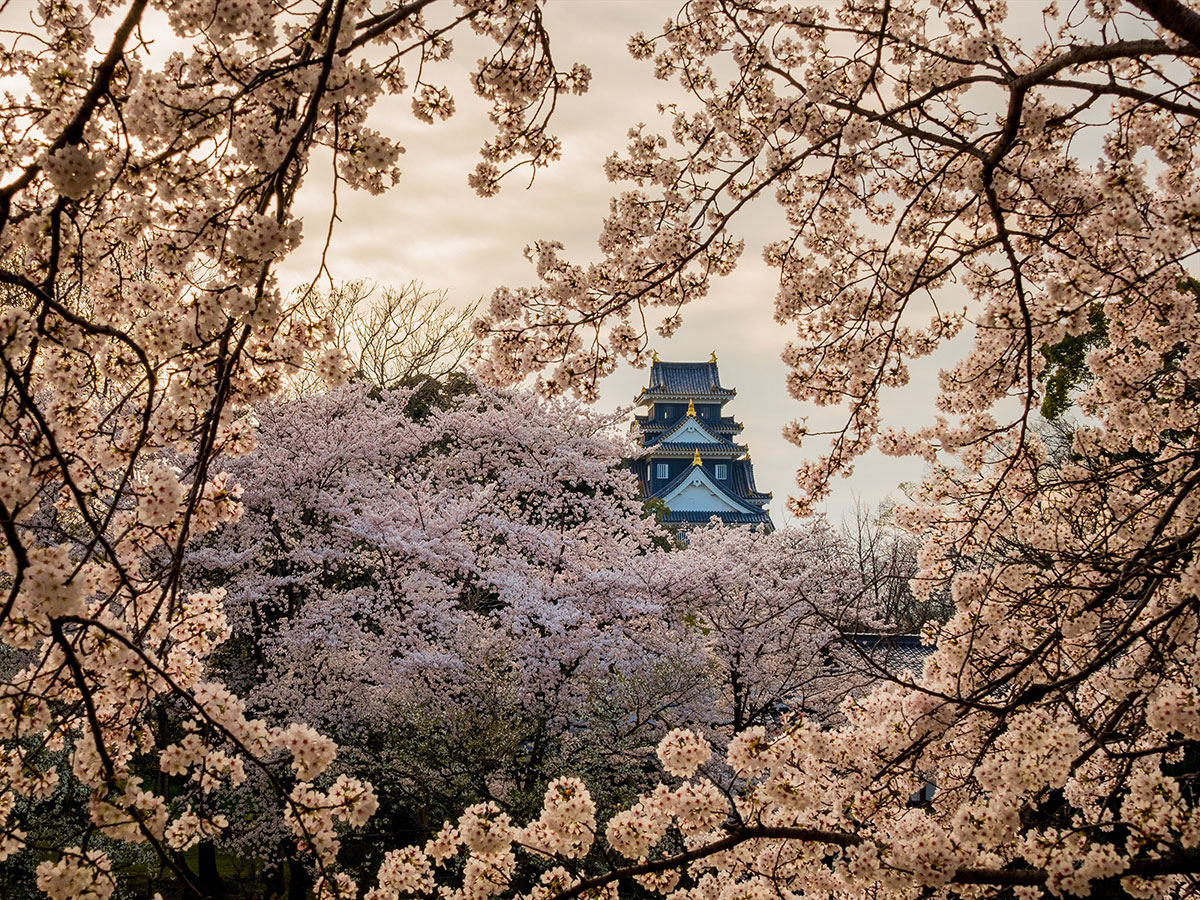
Asahi River Sakura Road
-
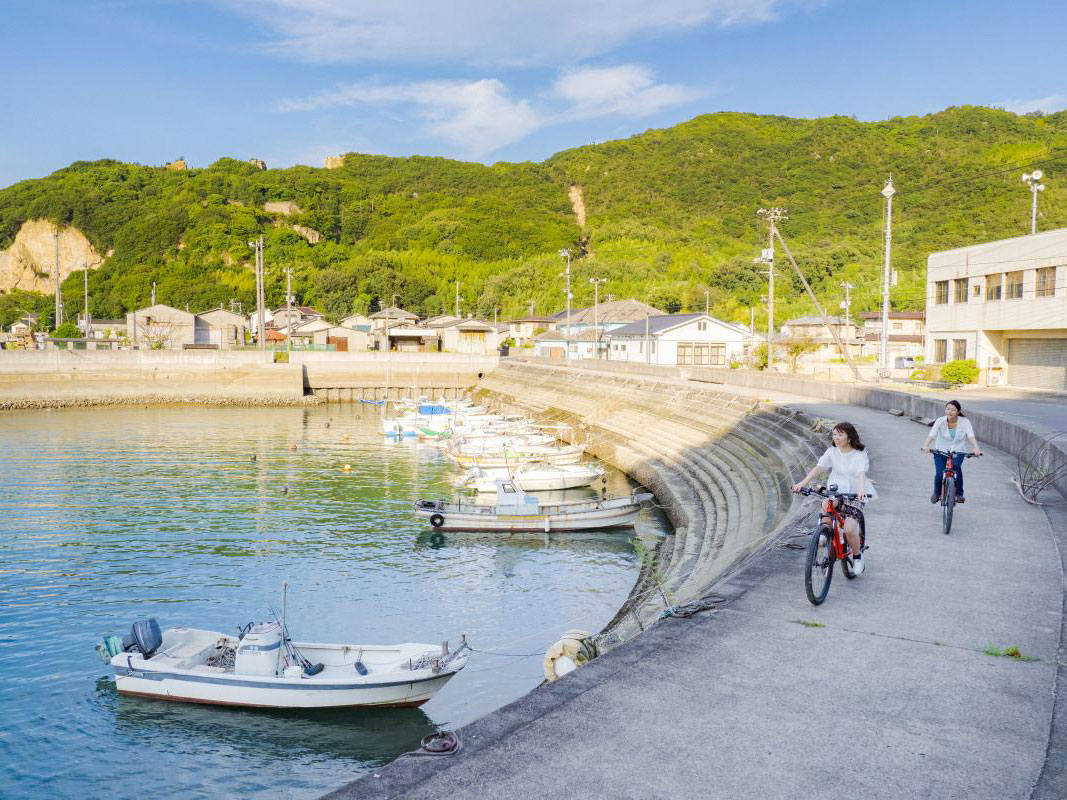
Kasaoka Islands
-
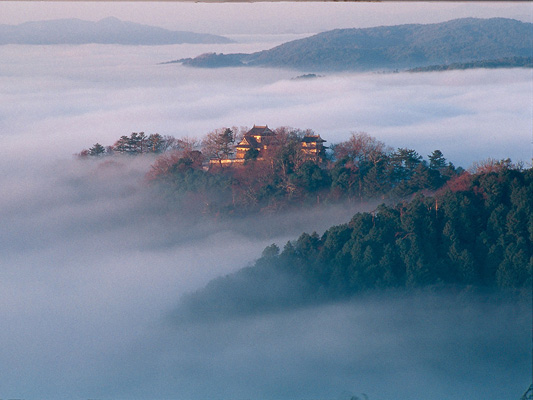
Bitchu Matsuyama Castle
-
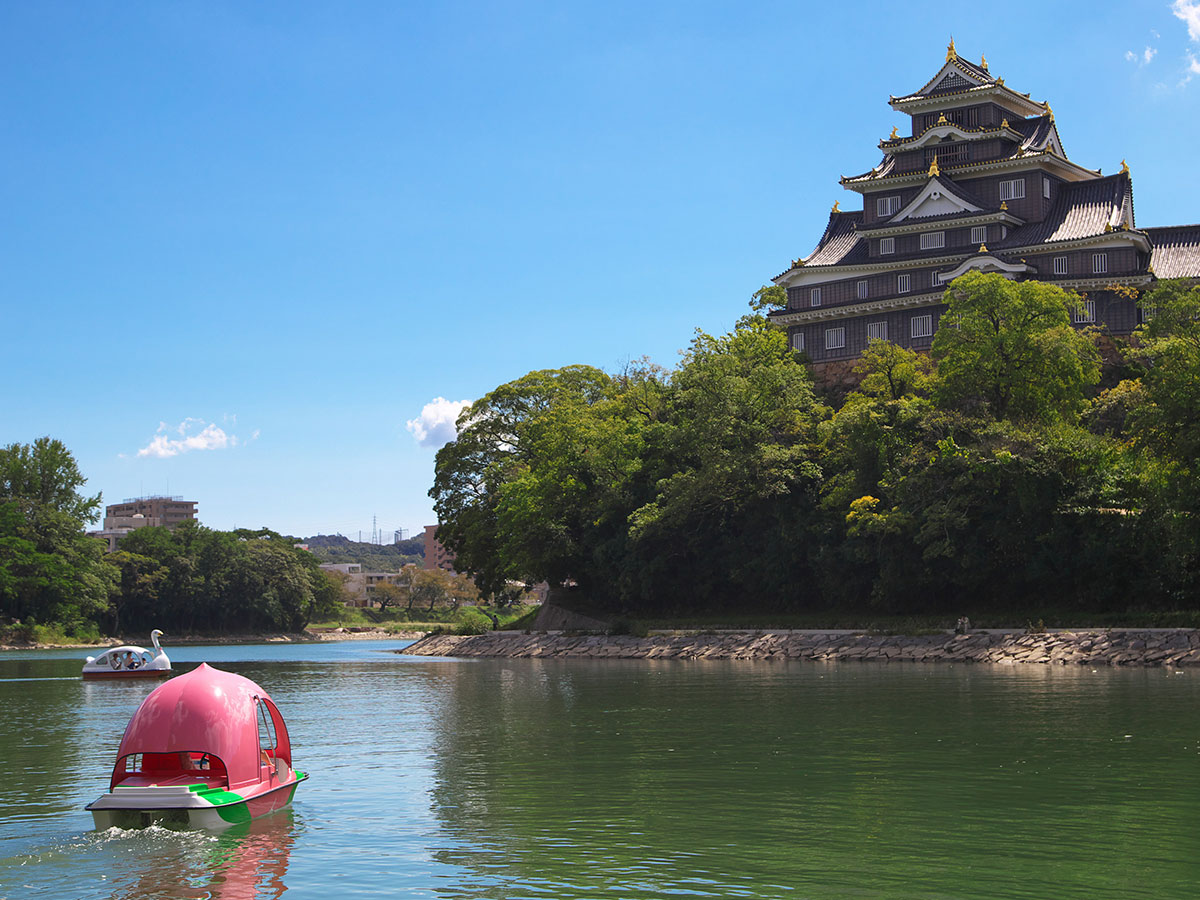
Okayama Korakuen Garden and Okayama Castle
-
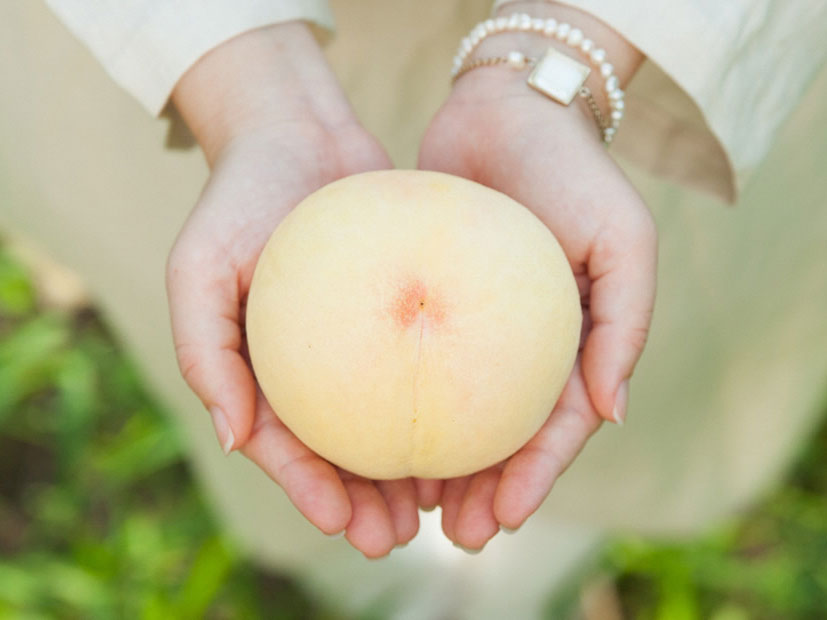
Walking in Okayama City (Okayama Gourmet Hopping)
-
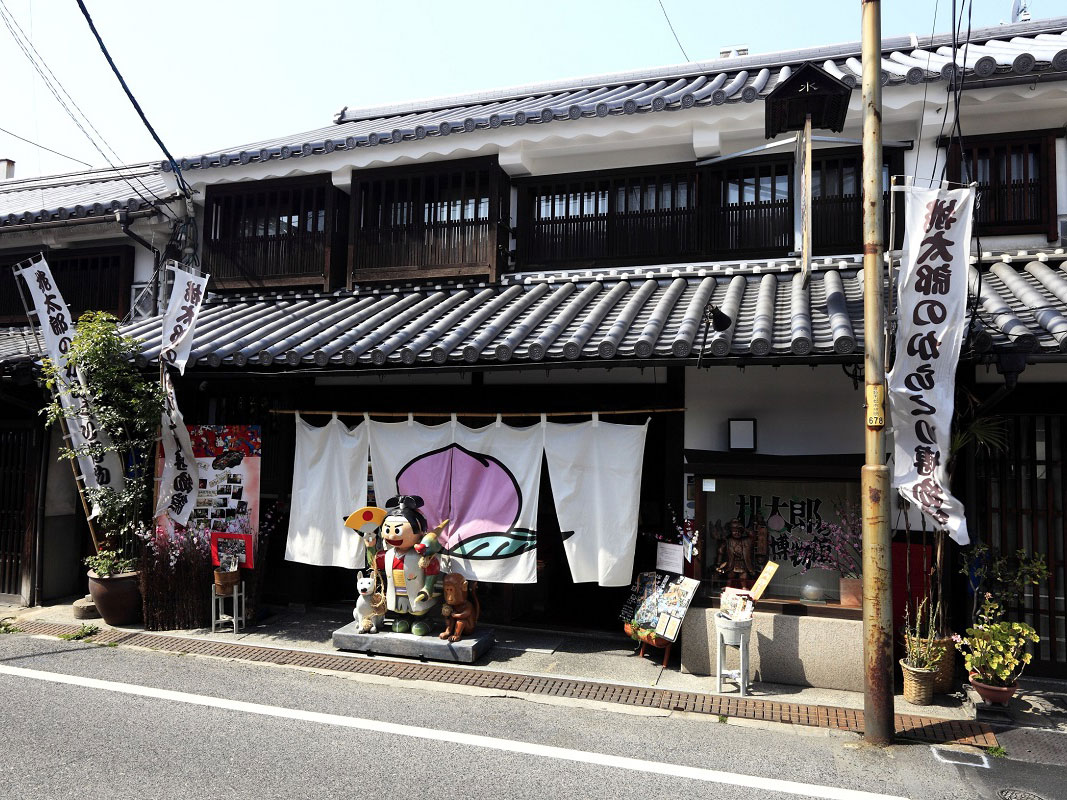
Momotaro Karakuri Museum
-
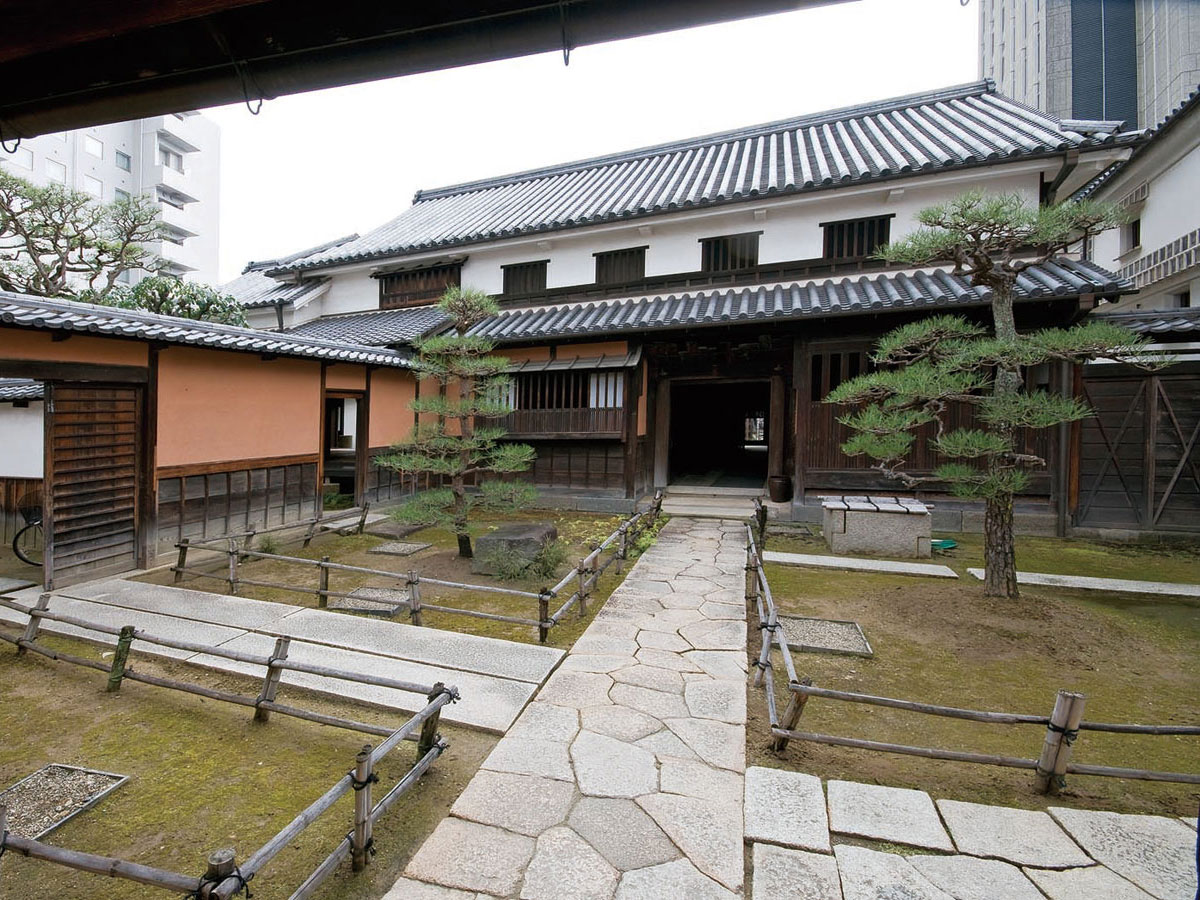
Ohashi House
-
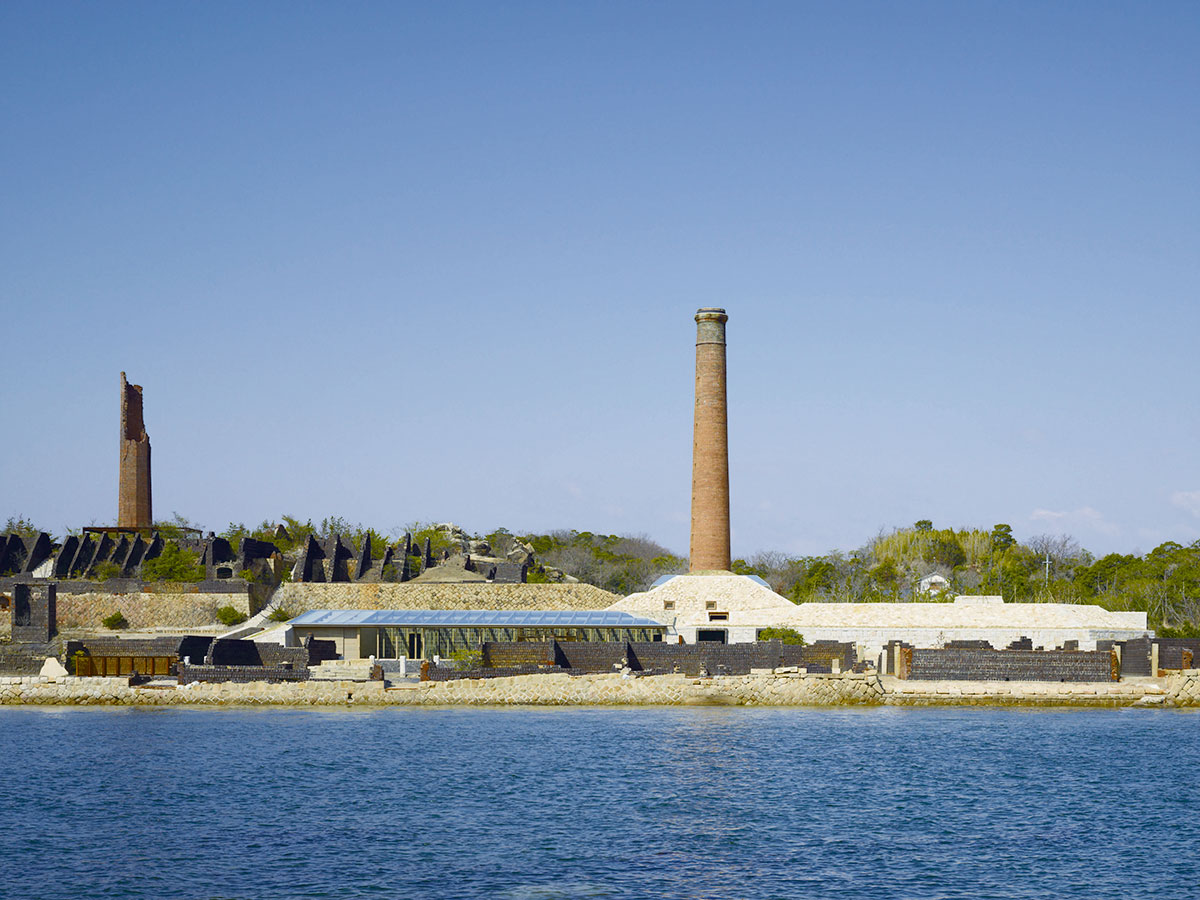
Inujima
-
Raikyu-ji Garden
-
Betty Smith Jeans Museum & Village
-
Hop around "Okayama, the City of Fruit Parfaits"
-
Miyashita Sake BreweryCraft brewery Doppo Kan
-
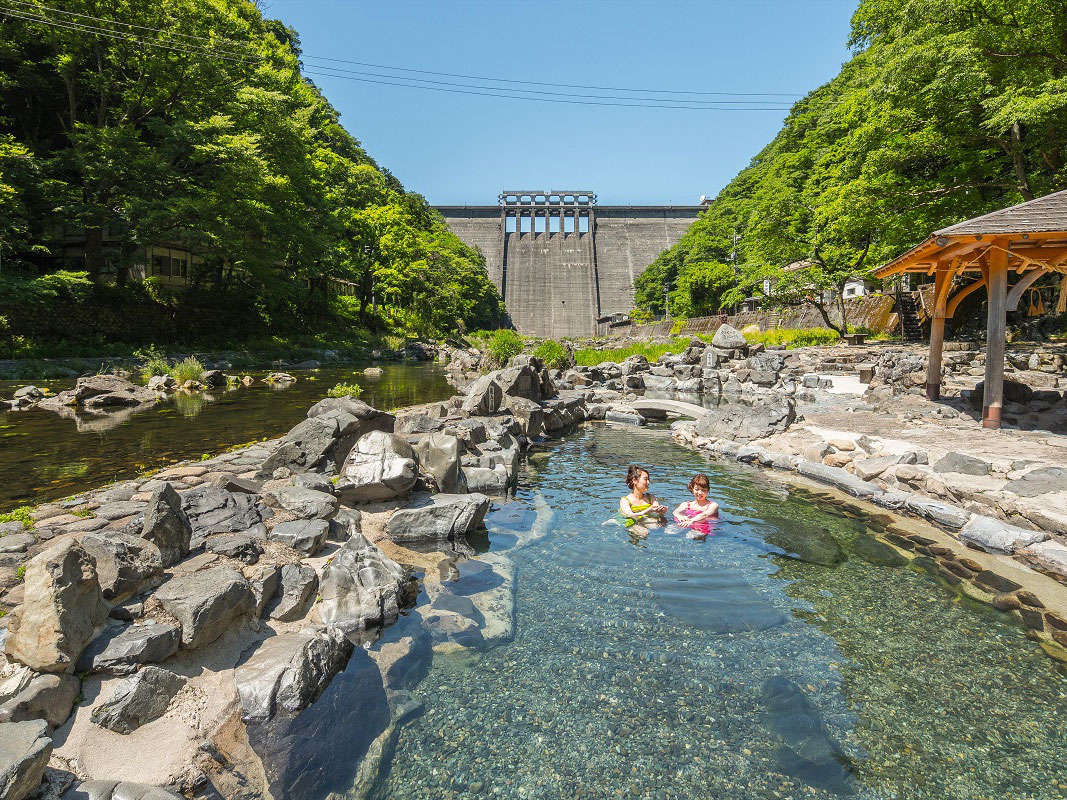
Yubara Onsen
-
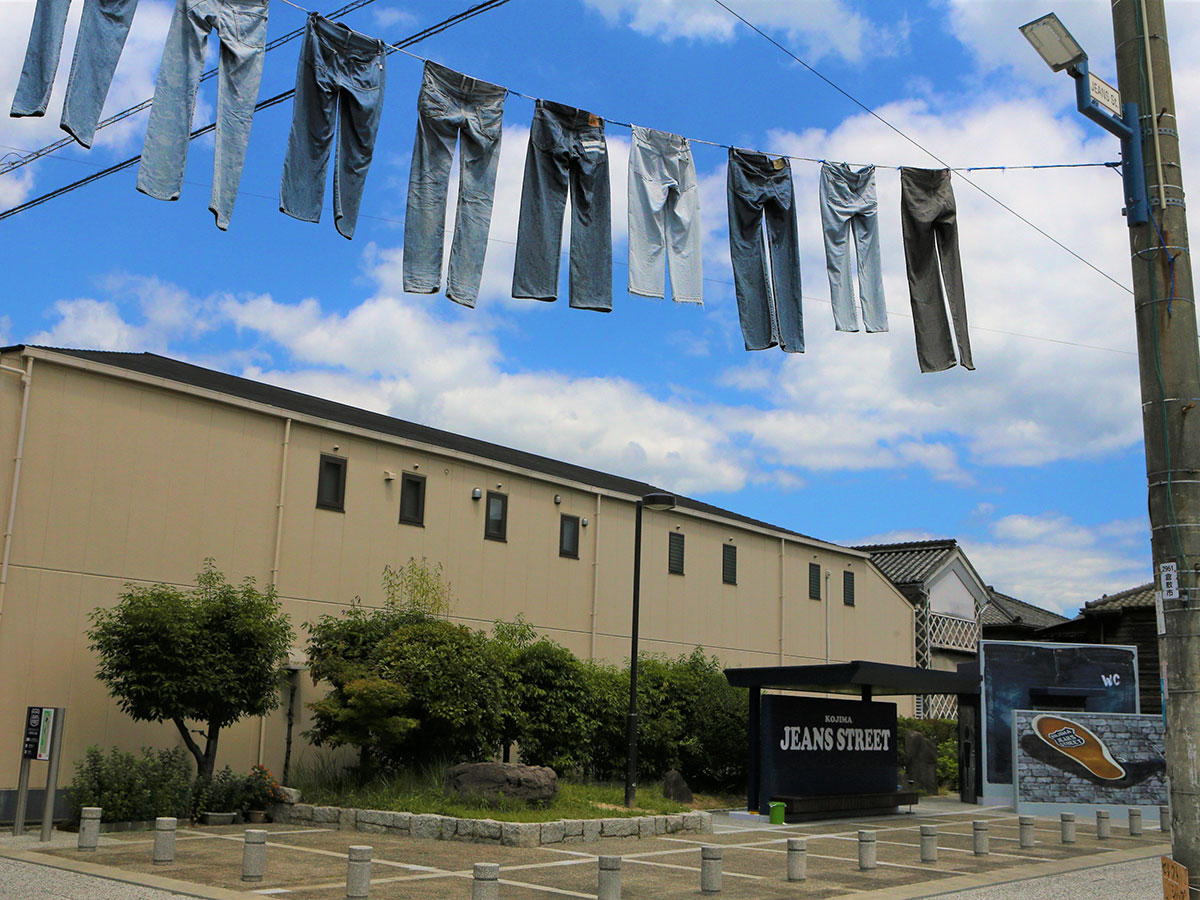
Kojima Jeans Street
-
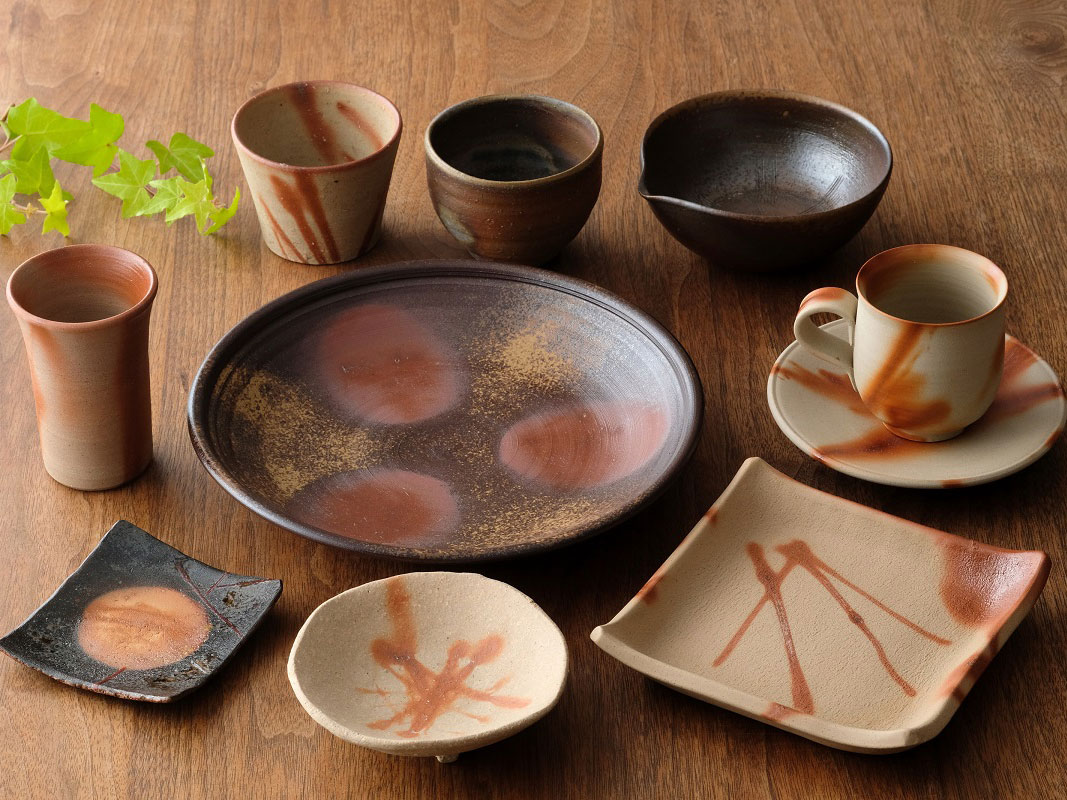
Bizen Yaki Dento Sangyo Kaikan
-
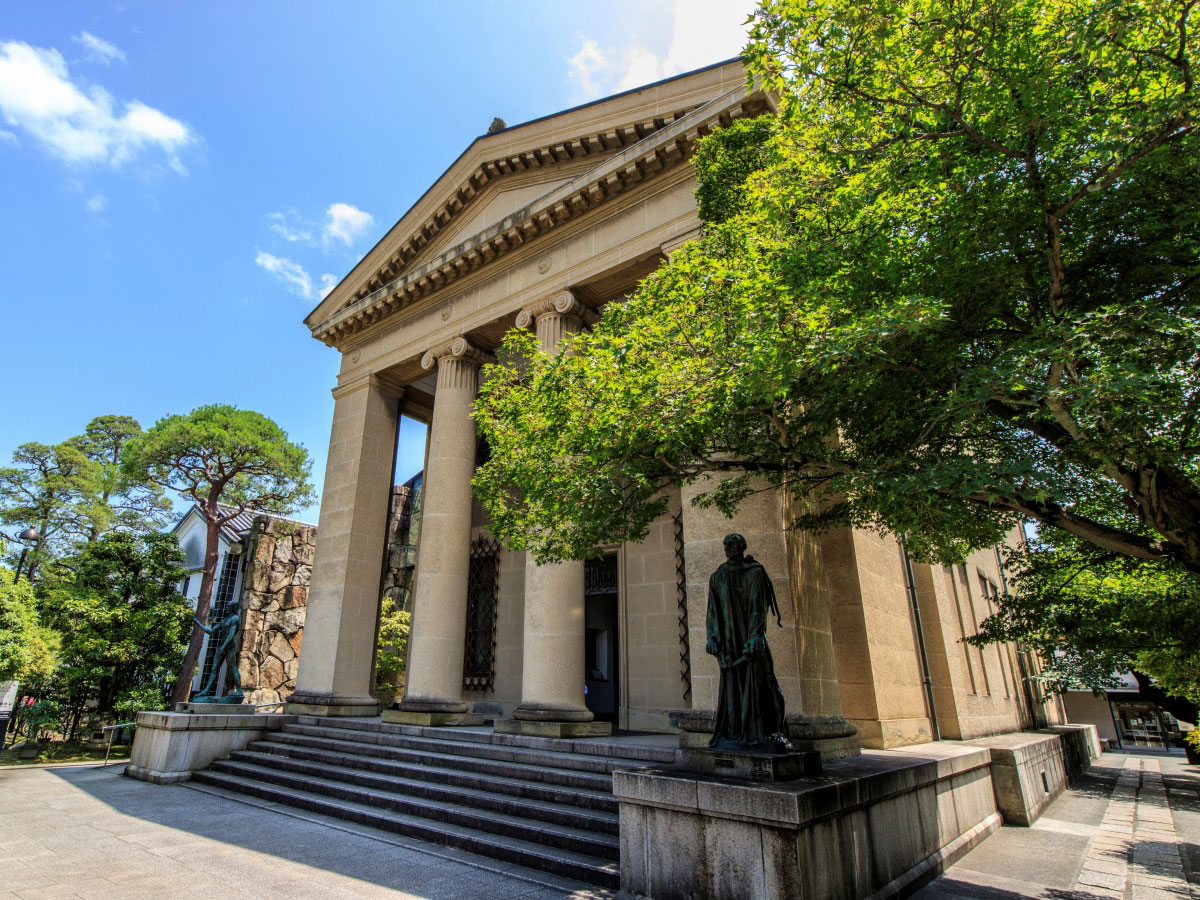
Ohara Museum of Art
-
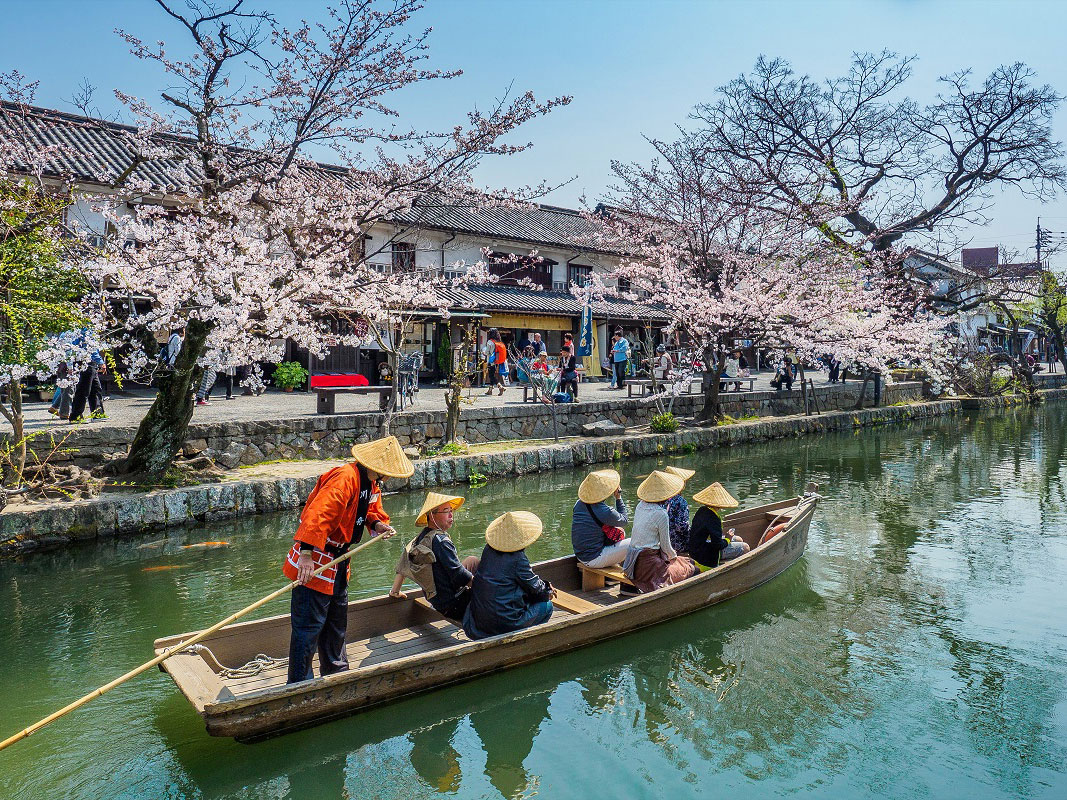
Traditional Boat Tour of Kurashiki Canal
-
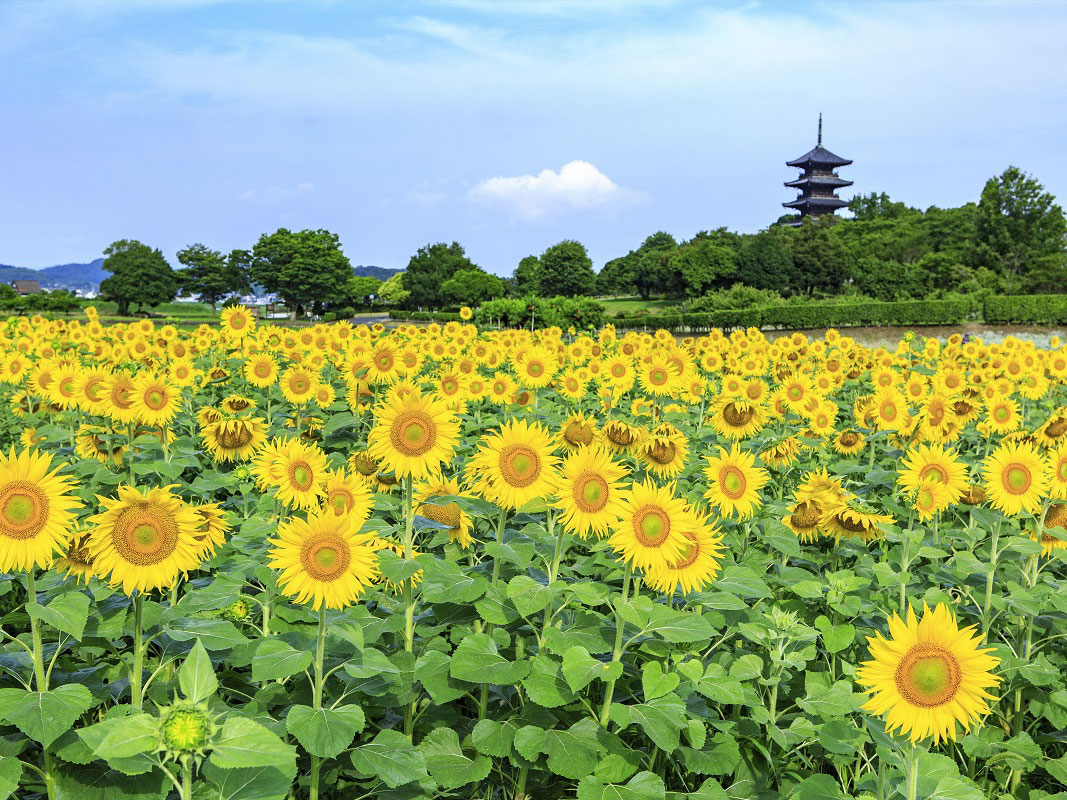
Kibiji Cycling Course